Posts

Showing posts with the label kidney disorders

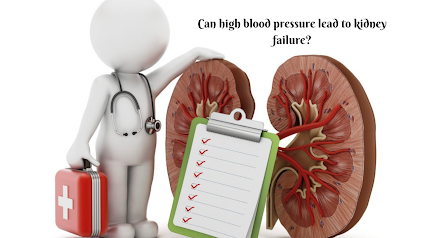
Can high blood pressure lead to kidney failure?
Image
  High blood pressure is a leading cause of renal diseases and kidney failure . High blood pressure can constrict and narrow the blood vessels, which eventually damages and weakens them throughout the body, including in the kidneys. The narrowing reduces blood flow. If your kidneys’ blood vessels are damaged, they may no longer work properly. When this happens, the kidneys are not able to remove all wastes and extra fluid from your body. Extra fluid in the blood vessels can raise your blood pressure, even more, creating a dangerous cycle, and cause more damage leading to kidney failure.   Symptoms of High blood pressure and kidney diseases Most people with high pressure have no symptoms. In rare cases can cause a headache. People may have CKD but not know it because they do not feel sick. A person's glomerular filtration rate (GFR) is a measure of how well the kidneys are filtering wastes from the blood. GFR is estimated from a routine measurement of creatinine in t...

Can kidney failure be cure by Ayurveda?

Image
  Chronic Kidney Disease or Chronic Renal Failure or Chronic Kidney Failure is a disease that leads to the gradual loss of kidney function. The kidney is responsible for filtering harmful wastes from our bodies, at advanced stages of chronic kidney disease there are toxic levels of harmful fluids built up in our body which successively could potentially harm other organs and their functions. Kidney Disease is generally is not detected in its early stages and by the time patients even realize that they maybe suffering from chronic kidney disease, their kidneys have already been damaged to 75% of their function. Ayurveda may be a part of ancient traditional medicine, its theories, and medicines are derived from the wisdom and knowledge of ayurvedic medicine practitioners who have recorded their findings for over 5000 years. Every a part of the physical body has been meticulously recorded and named consistent with its relative position and role to keep the body alive. Unlike allo...